
Neurological Diseases · Autoimmune Diseases
Stem Cell Therapy for Parkinson's Disease
Parkinson's Disease (PD) is a chronic neurological disorder caused by the loss of dopaminergic neurons in the brain, affecting movement and coordination. Stem Cell Therapy focuses on replacing these neurons rather than only managing symptoms.
What is Parkinson's disease (PD)?
Parkinson's Disease (PD) is a chronic neurological disorder caused by the loss of dopaminergic neurons in the brain. This progressive disease affects movement and coordination, with symptoms starting slowly and worsening over time.
Causes and Risk factors for Parkinson's
Dopamine Depletion: Abnormalities in dopamine disrupt normal brain activity, leading to impaired movements and tremors.
Environmental Factors: Exposure to toxins and chemicals can increase the risk.
Lewy Bodies: Protein aggregates, particularly alpha-synuclein, interfere with brain function.
Genetic Predisposition: Certain genetic mutations can increase the risk, though genetic transmission is less common.
What are the Parkinson's symptoms?
Parkinson's Disease (PD) is characterized by distinctive features that set it apart from other conditions. While initial signs and symptoms may be subtle, they become more pronounced over time. The primary symptoms of PD are often remembered by the acronym TRAP:
1. Tremors:
- Tremors involve involuntary, repetitive shaking or movement of the hands, fingers, and limbs, often observed even at rest. The most common type is the pill-rolling tremor.
2. Rigidity:
- Muscle stiffness is a hallmark of Parkinson's Disease. It can affect any part of the body and limit movement.
3. Akinesia (Bradykinesia):
- This refers to the slowness of movement. Patients may experience a reduced walking speed and have difficulty initiating and stopping movement. The festinating gait, characterized by short, rapid steps, is a key feature. Patients often need external cues to start or stop walking and may struggle to rise from a seated position.
4. Postural Imbalance:
- Many patients exhibit a stooped posture, which alters their center of gravity and increases the risk of falls.
Additional Symptoms
- Micrographia:
- Writing may become small and difficult to read.
- Speech Changes:
- Alterations in speech patterns, such as reduced volume or monotone speech, may occur.
These symptoms collectively help in diagnosing Parkinson's Disease and differentiating it from other conditions.
How is Parkinson's treated?
Medications commonly used to manage Parkinson's disease include:
Inhaled carbidopa-levodopa
Carbidopa-levodopa (oral and infusion)
Dopamine agonists
Catechol-O-methyltransferase (COMT) inhibitors
MAO B inhibitors
Anticholinergics
Amantadine
Medication, exercise, and rehabilitation programs are also essential components of treatment.
How can Stem Cell Therapy treat Parkinson's Disease?
Stem cell therapy (SCT) focuses on replacing damaged dopaminergic neurons in the brain. This innovative approach has the potential to be more effective and less risky than traditional methods. Though still in the developmental stage, rapid advancements highlight its potential.
Monitoring disease patterns
Repairing nerve cells
Developing new neurons
Replacing damaged cells
Induced pluripotent stem cells (iPS) can significantly regenerate brain cells. SCT involves inserting these stem cells into the putamen, the brain area controlling movement.
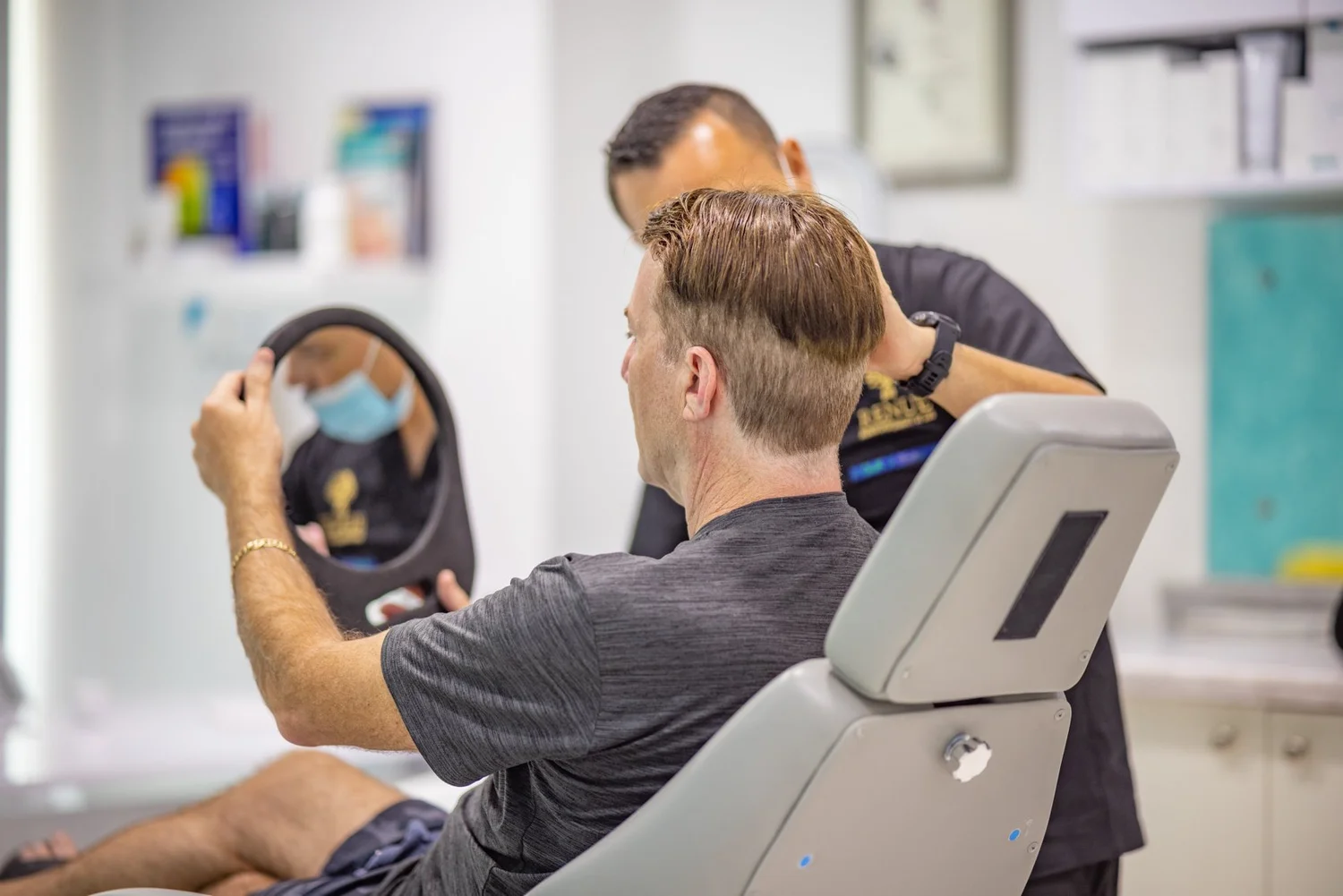
How Stem Cell Therapy Works
Stem cells, which can differentiate into specialized cells, are classified into adult and embryonic stem cells. In Parkinson's disease, SCT aims to replace damaged brain cells with healthy dopamine cells derived from stem cells, including mesenchymal cells and umbilical cord cells.
Exosomal Stem Cell Therapy in Neurological Disorders
Exosomes, when used with stem cell therapy, show promise in treating neurological disorders like stroke, Parkinson's disease, and Alzheimer's disease. Research indicates that exosomes enhance:
- Angiogenesis
- Neurogenesis in ischemic boundary zones
- Neurite remodeling
- Synaptic plasticity
Combining stem cell therapy with exosomes can improve function, tissue recovery, and cellular regeneration in individuals with neurological diseases. Benefits of Exosomal Therapy Post-Stroke:
Oligodendrogenesis: Formation of new oligodendrocytes
Remyelination: Restoration of the myelin sheath
Axonal Sprouting: Growth of new axons
Exosomes also boost the expression of neuroprotective microRNAs (miR-133b, miR-210, miR-184, miR-17-92), contributing to a positive prognosis.
Parkinson's disease remains a challenging condition, but advancements in stem cell and exosomal therapies offer hope for improved treatments and outcomes.
Expected results: benefits and outcomes
SCT to live a better life: Benefits and outcomes
The effectiveness of Stem Cell Treatment can improve all your symptoms, causing a considerable impact on your quality of life and daily activities.
As part of The Renue Difference, you will receive three Hyperbaric Chamber sessions that greatly improve SCT efficacy and stimulate the body cells to combat Parkinson's Disease (PD). These sessions comprise three days: one day before treatment, after treatment, and on the day of treatment.
Expected result 1: Immediate control of involuntary or uncontrolled upper and lower limb movements
Expected result 2: More independence in ADLs and IADLS, mobility, coordination, and gait after six months of injection
Expected result 3: Increased independence, decreased neuro damage progression, reduced memory decline, balance, stable posture, and more life satisfaction
After the SCT procedure, an MRI test depicts the further need for the treatment at a specific body site.
Talk to our Patient Advisor to learn more about SCT at The Renue Centre.
What are the risks of Stem Cell Therapy for Parkinson's Disease?
Stem Cell Therapy has a good prognosis with little to no side effects of the therapy.
The most frequent or common risk factors of SCT can be:
Fever
Exaggeration of uncontrolled movements
Painful injection area /site
Lethargy and fatigue
Allergic reactions
Management of Risks
Allergic reactions are preventable through pre-injection history and care. Fatigue, fever, and pain are managed through the appropriate drugs along with the treatment.
The benefits and effects of Stem Cell Therapy depend on several factors: the patient's health condition, underlying issues, lifestyle, and others. To assess your expected results, we would like to know more about you. A medical advisor will talk to you about your diagnosis and treatment options and collect information for the attending physician; they can answer all your initial questions:
Will the therapy work for my case?
What does the treatment involve? Is it painful?
Is it expensive? How much does it cost?
This page is for general information and does not constitute medical advice. All treatment plans at Renue are individualized following a physician review. See Research Articles for supporting literature.
Ask About Parkinson's Disease
Why Patients Choose Renue
Advanced Cellular Laboratory
On-site cellular manufacturing with rigorous quality control.
World-Class Physicians
Experienced physicians dedicated exclusively to regenerative medicine.
Hyperbaric Oxygen Center
One of the few clinics integrating HBOT into comprehensive protocols.
Personalized Treatment Plans
Every patient receives an individualized treatment strategy based on their condition and goals.
Concierge Medical Experience
Airport transportation, hotel coordination, and dedicated patient support throughout your stay.
Long-Term Follow-Up
Our relationship continues well beyond your visit with structured physician follow-up.
Get started
Book a Consultation
Your journey to a better quality of life starts here. One of our advisors will get back to you shortly.