
Neurological Diseases · Autoimmune Diseases
Stem Cell Therapy for Myasthenia Gravis
An autoimmune neuromuscular condition where MSCs' immunomodulatory properties are of therapeutic interest.
What is Myasthenia Gravis?
Myasthenia Gravis (MG) is a neuromuscular disorder characterized by rapid fatigue and muscle weakness. It primarily affects voluntary muscles, with generalized myasthenia gravis impacting multiple muscle groups throughout the body. Juvenile myasthenia gravis is a rare autoimmune disorder affecting the neuromuscular junction (NMJ) and typically manifests before the age of 18 years.
What are the Myasthenia Gravis symptoms?
Myasthenia Gravis (MG) is characterized by a variety of symptoms, most commonly including:
- Facial Changes: Alterations in facial expressions, difficulty smiling, and a mask-like facial appearance.
- Limb Weakness: Weakness in the arms and legs can lead to abnormal gait.
- Ptosis: Drooping of one or both eyelids.
- Speech Impairment: Difficulty speaking due to weakened speech muscles.
- Generalized Weakness: Weakness in the legs, arms, and neck.
- Diplopia (Double Vision): Double vision, either vertical or horizontal, which may improve when one or both eyes are closed.
- Swallowing and Chewing Difficulties: Problems with swallowing and chewing food.
- Respiratory and Motor Control Issues: Difficulty breathing, controlling head movements, and using the arms for tasks.
These symptoms can vary in severity and may fluctuate over time, often worsening with activity and improving with rest.
What causes Myasthenia Gravis?
Myasthenia gravis is caused by a problem with the signals sent between the nerves and the muscles.
It's an autoimmune condition, which means it's the result of the immune system (the body's natural defense against infection) mistakenly attacking a healthy part of the body.
In myasthenia gravis, the immune system damages the communication system between the nerves and muscles, making the muscles weak and easily tired.
It's not clear why this happens, but it's been linked to issues with the thymus gland (a gland in the chest that's part of the immune system).
Many people with myasthenia gravis have a thymus gland that's larger than normal. Around 1 in 10 people have an abnormal growth of the thymus called a thymoma.
What are the risk factors for Myasthenia Gravis?
Women under 40 and men over 60: are more likely to develop MG. Women between the ages of 20–30 and men between the ages of 60–70 are at particular risk.
Genetic markers: People with certain human leukocyte antigen (HLA) genotypes, such as HLA-B8 and HLA-DR3, are more likely to develop MG.
Family history
Newborns whose mothers have MG may develop a temporary condition called neonatal MG. This occurs when the mother's abnormal antibodies enter the baby's bloodstream.
Other factors
These include:
Infections, such as Epstein-Barr virus (EBV) and cytomegalovirus (CMV)
Exposure to certain medications, such as antibiotics and beta-blockers
Hormonal factors, including fluctuations in estrogen levels
Thymic abnormalities, such as thymomas and thymic hyperplasia
Physical inactivity
Insufficient diet
Stress
Thymectomy (surgery to remove the thymus)
Type 2 diabetes, especially in women older than 50.
How is Myasthenia Gravis commonly treated?
1. Medications:
Cyclosporine
Cholinesterase inhibitors (e.g., Mestinon)
Corticosteroids (e.g., Rayos)
Immunosuppressants (e.g., mycophenolate mofetil, azathioprine, methotrexate, tacrolimus)
2. Surgery
Robot-assisted thymectomy
Video-assisted thymectomy
3. Intravenous Therapy:
Plasmapheresis
Monoclonal antibodies (e.g., Rituximab, eculizumab)
Intravenous immunoglobulin (IVIG)
How can Stem Cells treat Myasthenia Gravis?
Stem cell therapy (SCT) offers a promising alternative for treating myasthenia gravis, particularly for patients resistant to other treatments. Mesenchymal stem cells (MSCs) possess immunomodulatory and anti-inflammatory properties, providing a long-term, improved prognosis by addressing the underlying cause rather than just symptoms. MSC transplantation can be especially beneficial for patients with cellular structure disturbances.
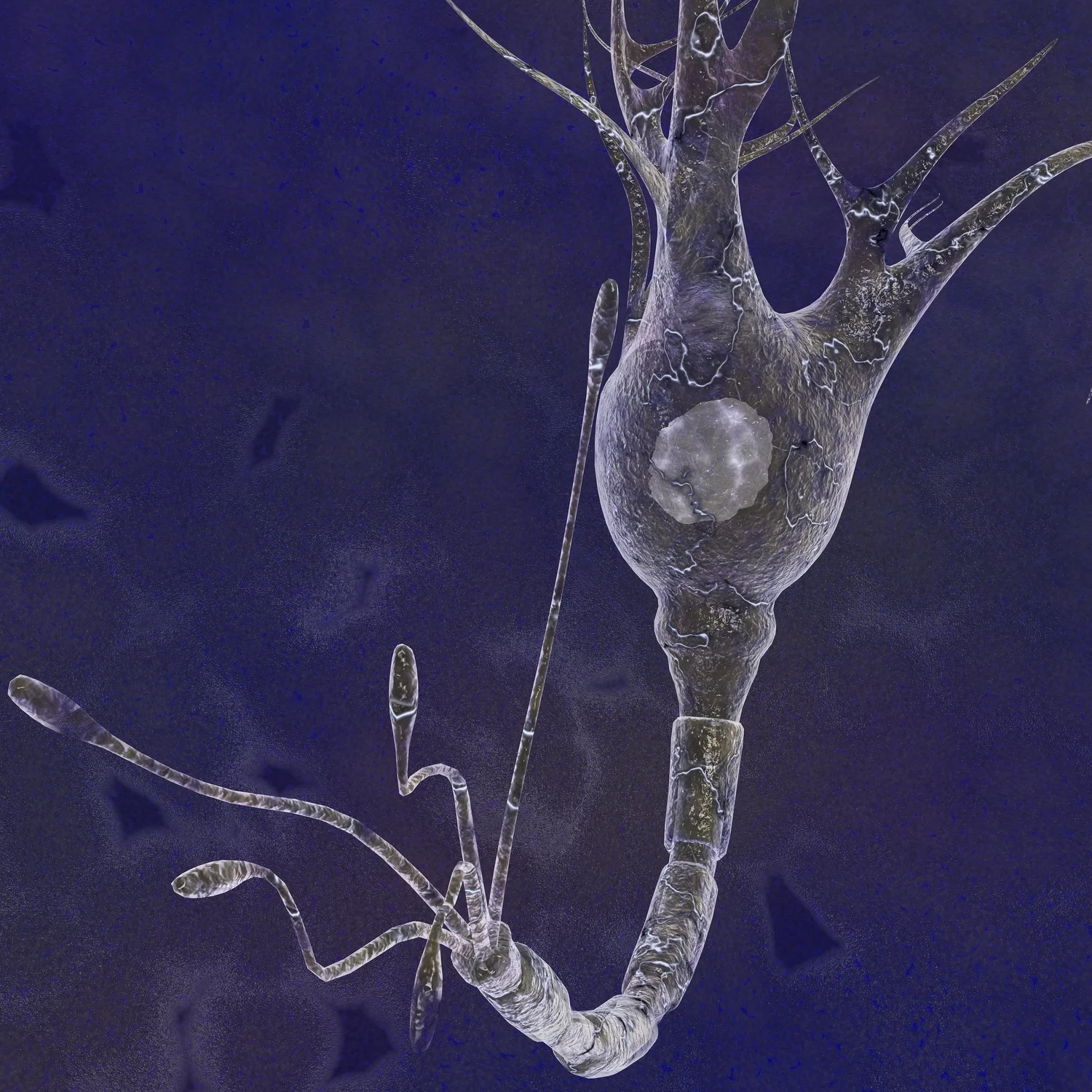
Effect of Exosomal Stem Cell Therapy in Neurological Disorders
Neurological diseases like stroke, Parkinson's disease, and Alzheimer's disease have high mortality and morbidity rates, impairing brain function. Traditional treatments include endovascular thrombectomy (ET), intravenous tissue plasminogen activator (IV-tPA), and medications.
A modern approach involves using exosomes with stem cell therapy. Research indicates that exosomes enhance:
- Angiogenesis
- Neurogenesis in ischemic boundary zones
- Neurite remodeling
- Synaptic plasticity
Combining stem cell therapy with exosomes can improve functional recovery, tissue repair, and cellular regeneration in individuals with neurological disorders.
Post-Stroke Benefits of Exosomal Therapy:
Oligodendrogenesis: Formation of new oligodendrocytes
Remyelination: Restoration of the myelin sheath
Axonal Sprouting: Growth of new axons
Exosomes also boost the expression of neuroprotective microRNAs (miR-133b, miR-210, miR-184, miR-17-92), aiding in disease prognosis.
These advanced treatments offer comprehensive solutions for managing myasthenia gravis and associated neurological disorders, providing hope for improved patient outcomes and quality of life.
How is the treatment at The Renue Medical Centre different?
The Stem Cell Therapy (SCT) at The Renue Medical Centre is a holistic approach to treating Myasthenia Gravis (MG).
Your Renue Journey does not end after your last day of SCT. We follow up with you to assert your progress since the treatment for Myasthenia Gravis with Stem Cells consists of four phases:
Pre-treatment: Clinical evaluation, lab test results, and other diagnostic procedures. You will take our Renue Epigenetic Test powered by TruDiagnostics that will assert your biological age and other important health markers. Your TruDiagnostics test is part of The Renue Difference. It provides your doctor with critical information about your health and your true age (biological vs. chronological). After the epigenetic test and we have received all your medical records, your Patient Advisor will assist you in planning your travel to Puerto Vallarta.
Treatment day: The treatment starts with taking a specific amount of blood through apheresis. After taking the Stem Cells, the rest of the blood is returned to the donor.
30, 60 & 90 days post-treatment follow-up: MG symptoms clinical evaluation, flare-up frequency, and lab test results
Six months post-treatment: MG symptoms clinical evaluation, flare-up frequency, lab test results, X-ray report, and review of the diagnostic criteria
Expected results: benefits and outcomes
SCT to live a better life: Benefits and outcomes
The effectiveness of Stem Cell Treatment can improve all your symptoms, causing a considerable impact on your quality of life and daily activities.
As part of The Renue Difference, you will receive three Hyperbaric Chamber sessions that greatly improve SCT efficacy and stimulate the body cells to combat Myasthenia Gravis. These sessions comprise three days: one day before treatment, after treatment, and on the day of treatment.
According to results, clinical outcomes, and pre-and post-treatment observations, SCT has been shown to help
Reduce Myasthenia Gravis progression
Speed up tissue repair
Regrow and repair tissues after six months
After the SCT procedure, an MRI test depicts the further need for the treatment at a specific body site.
Talk to our Patient Advisor to learn more about SCT at The Renue Centre.
Expected results and prognosis:
Increased independence, stable posture, decreased neuro damage progression, improved balance and coordination, and life satisfaction
What are the risks of Stem Cell Therapy for Myasthenia Gravis?
The most common and mild side-effects of Stem Cell Therapy for MG are:
Painful injection area /site
Allergic reactions
Fever
Lethargy and fatigue
Bleeding from the site of injection
Management of Risks
Fever, lethargy, and pain are managed through the appropriate drugs along with the treatment. Pre-treatment education can help with awareness of slight side effects of the therapy. Bleeding and swelling of the injured site are manageable via proper technique. Allergic reactions are preventable through pre-injection history and care.
This page is for general information and does not constitute medical advice. All treatment plans at Renue are individualized following a physician review. See Research Articles for supporting literature.
Ask About Myasthenia Gravis
Why Patients Choose Renue
Advanced Cellular Laboratory
On-site cellular manufacturing with rigorous quality control.
World-Class Physicians
Experienced physicians dedicated exclusively to regenerative medicine.
Hyperbaric Oxygen Center
One of the few clinics integrating HBOT into comprehensive protocols.
Personalized Treatment Plans
Every patient receives an individualized treatment strategy based on their condition and goals.
Concierge Medical Experience
Airport transportation, hotel coordination, and dedicated patient support throughout your stay.
Long-Term Follow-Up
Our relationship continues well beyond your visit with structured physician follow-up.
Get started
Book a Consultation
Your journey to a better quality of life starts here. One of our advisors will get back to you shortly.