Neurological Diseases · Autoimmune Diseases
Stem Cell Therapy for Multiple Sclerosis (MS)
MS is a chronic condition in which the immune system attacks the myelin sheath protecting nerve fibers in the brain and spinal cord, slowing nerve signal transmission. There are four types: Primary Progressive, Relapsing-Remitting, Secondary Progressive, and Clinically Isolated Syndrome.
What is Multiple Sclerosis?
Multiple Sclerosis (MS) is a chronic condition affecting the nervous system, including the brain, spinal cord, and optic nerves. In MS, the immune system mistakenly attacks the myelin sheath, a protective layer around nerves that ensures rapid signal transmission. This attack results in temporary lesions and cell inflammation, as well as permanent lesions and scars, which impede the brain's ability to transmit signals throughout the body.
According to the National Institute for Neurological Disorders and Stroke (NINDS), over 350,000 individuals in the United States have MS. The National Multiple Sclerosis Society estimates this number could exceed one million.
There are four distinct types of MS:
Primary Progressive Multiple Sclerosis (PPMS)
Relapse-remitting MS (RRMS)
Secondary progressive MS (SPMS)
Clinically isolated syndrome (CIS)
What causes Multiple Sclerosis (MS)?
The primary cause of Multiple Sclerosis (MS) is autoimmune attacks on the body. These attacks can cross the blood-brain barrier and damage the protective myelin sheath around nerve fibers. Demyelination, the loss of myelin, leads to attempts at remyelination (formation of new myelin), but the inflammation often results in scar tissue formation. These scar tissues can cause neurological impairment in the affected nerves and areas.
There is no single known factor or cause of Multiple Sclerosis. Instead, a combination of factors and triggering stimuli lead to immune system abnormalities, causing it to act against its normal function.
Risk Factors for Multiple Sclerosis (MS)
Several factors can increase the risk of developing Multiple Sclerosis (MS):
Age and Gender: MS is most commonly diagnosed in individuals between the ages of 20 and 40. Additionally, women are more frequently affected by MS than men.
Infections: Exposure to certain viruses, such as Epstein-Barr Virus (EBV) and Mononucleosis, can elevate the risk of developing MS. Other viruses, including Mycoplasma pneumonia and Human Herpesvirus Type-6 (HHV6), may also contribute to triggering the immune system.
Nutrient Deficiency: Deficiencies in essential vitamins, particularly Vitamin D and B-12, can disrupt normal immune system function and contribute to neurological conditions like MS.
Smoking and Toxin Exposure
Chronic smokers are twice as likely to develop Multiple Sclerosis (MS) compared to non-smokers. This population also experiences more brain shrinkage and lesions than healthy individuals. Additionally, genetic and environmental factors can cause mutations in the genetic makeup, increasing the risk of MS.
What are the symptoms of Multiple Sclerosis?
MS is a disease of the central nervous system (CNS), which controls all bodily functions. Consequently, MS can affect almost any part of the body. The most common and significant symptoms include:
Muscular Weakness: Caused by nerve damage and reduced muscle use.
Tingling Sensation and Numbness
Bowel and Bladder Problems: Including difficulty emptying the bladder, urge incontinence, and loss of voluntary bladder control.
Vertigo and Dizziness: Leading to balance and coordination issues.
Symptoms of Multiple Sclerosis (MS)
Muscle spasms and spasticity are early signs of MS, indicating damage to nerve fibers in the brain and spinal cord. Additional common symptoms include:
Tremors and Uncontrolled Involuntary Movements
Vision-Related Issues: Due to damage to the optic nerve's myelin sheath, potentially leading to partial or complete vision loss.
Changes in Mobility and Gait Patterns
Sexual Dysfunction
Cognitive Issues: Including confusion, learning difficulties, memory problems, and pain.
How is Multiple Sclerosis treated?
Medications such as Cladribine (Mavenclad), Aubagio (Teriflunomide), Tecfidera (Dimethyl Fumarate), Lemtrada (Alemtuzumab), Tysabri (Natalizumab), Novantrone (Mitoxantrone), Siponimod (Mayzent), and Rebif and Avonex (Interferon beta 1-a) are effective in the initial stages but are not a cure.
It is important to note that these medications are primarily effective in the early stages of MS and do not provide a complete cure for the disease.
How can Stem Cell Therapy treat Multiple Sclerosis?
Emerging data and evidence suggest that stem cell therapy holds great potential for regenerating the myelin sheath and reversing the effects of MS. Stem cell therapy offers a promising alternative to traditional treatment regimens for Multiple Sclerosis.
1. Mesenchymal Cells for Multiple Sclerosis (MS)
Mesenchymal cells are mature stem cells found in the umbilical cord, adipose tissue, and bone marrow. These cells are anti-inflammatory, multipotent, and regenerative agents for the human body. Mesenchymal cells derived from the umbilical cord offer several advantages over other sources:
Ethical Validation
Less Invasive: Harvesting these cells is less invasive compared to other procedures.
Offer low immunogenicity
Offer high capacity for proliferation
Have a high capacity for differentiation in the body
Clinical Use of Mesenchymal Stem Cells in Disease Treatment
Several clinical studies have explored the use of mesenchymal stem cells (MSCs) to treat various diseases, including multiple sclerosis, Alzheimer's disease, and type 1 diabetes.
The Role of Exosomal Stem Cell Therapy in Neurological Diseases
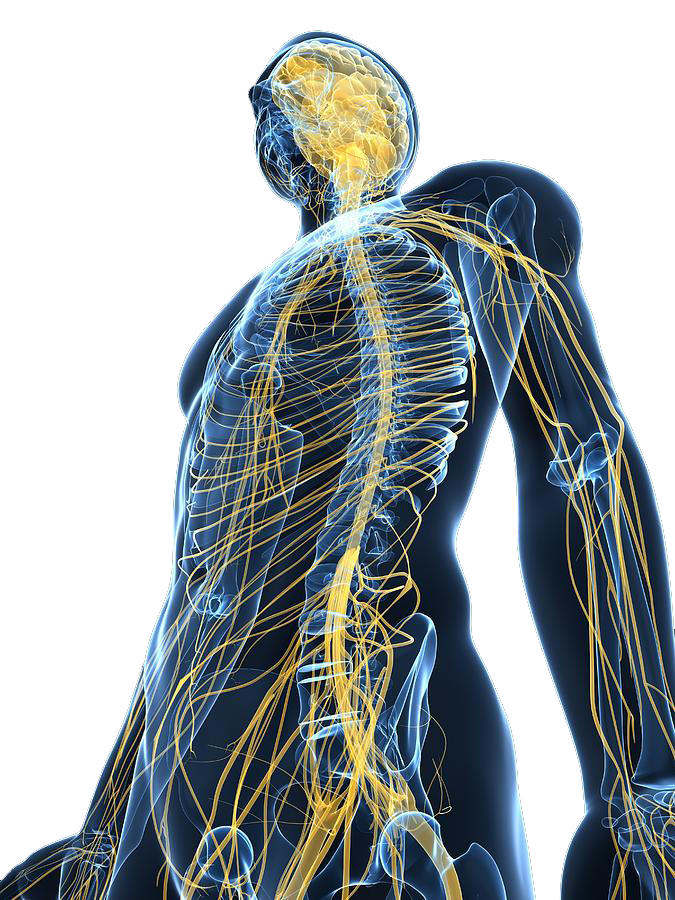
Neurological diseases, such as stroke, Parkinson's disease, and Alzheimer's disease, have high mortality and incapacitation rates, impairing the proper functioning of various parts of the brain. Traditional treatments for these conditions include endovascular thrombectomy (ET), intravenous tissue plasminogen activator (IV tPA), and other medications.
A modern approach to treating neurological disorders is the use of exosomes in conjunction with stem cell therapy. Research indicates that exosomes can enhance angiogenesis, ischemic border zone neurogenesis, neurite remodeling, and synaptic plasticity. Many researchers assert that combining stem cell therapy with exosomes can improve function, tissue level, and cellular recovery in individuals with neurological diseases and injuries.
Benefits of Exosomal Therapy Post-Stroke
Intravenous administration of mesenchymal stem cells, along with exosome therapy, can significantly improve white matter integrity post-stroke by inducing:
Oligodendrogenesis
Remyelination
Axonal sprouting
Additionally, exosomes enhance the expression of neuroprotective microRNAs, such as miR-133b, miR-210, miR-184, and the miR-17-92 cluster, contributing to a favorable prognosis.
Unique Treatment Approach at Renue Medical Center
The Renue Medical Center adopts a holistic approach to treating multiple sclerosis (MS) through stem cell therapy (SCT). The benefits of SCT for MS include:
Halting autoimmune attacks by the immune system
Promoting nerve tissue repair through central nervous system integration
Improving clinical prognosis by reducing demyelination and leukocyte infiltration in the central nervous system.
Reducing pro-inflammatory responses and ensuring good tolerance by the body.
What are the risks associated with Stem Cell Therapy for Multiple Sclerosis?
The Stem Cell Therapy risks are low and infrequent because of the therapy's high safety domain.
The most expected or common risk factors of SCT can be:
Fever
Painful injection area /site
Lethargy and fatigue
Allergic reactions
How is the treatment at The Renue Medical Centre different?
The Stem Cell Therapy (SCT) at The Renue Centre is a holistic approach to treating Multiple Sclerosis.
Stem Cells Therapy helps with MS by:
Stopping the autoimmune attacks of the immune system
Promoting repair of nervous tissues through CNS integration
Improving the clinical prognosis of MS through decreasing myelination and infiltration of the leukocytes in the central nervous system
Reducing the proinflammatory responses and showing tolerability to the body
Your Renue Journey does not end after your last day of SCT. We follow up with you to assert your progress, following four phases:
Pre-treatment: Clinical evaluation, lab test results, and other diagnostic procedures. You will take our Renue Epigenetic Test powered by TruDiagnostics that will assert your biological age and other important health markers. Your TruDiagnostics test is part of The Renue Difference. It provides your doctor with critical information about your health and your true age (biological vs chronological). After the epigenetic test and we have received all your medical records, your Patient Advisor will assist you in planning your travel to Puerto Vallarta.
Treatment day: The treatment starts with taking a specific amount of blood through apheresis. After taking the stem cells, the rest of the blood is returned to the donor. Stem cells taken from the donor are processed into the patients via the IV route. The dosage of the stem cells depends upon the customized need of the particular disease.
30, 60 & 90 days follow-up: To check for flare-up frequency, improvements, and other symptoms.
Six months after treatment: Lab tests, flare-up frequency, clinical evaluation, and disease prognosis.
Expected results: benefits and outcomes
SCT to live a better life: Benefits and outcomes
The effectiveness of Stem Cell Treatment can improve all your symptoms, causing a considerable impact on your quality of life and daily activities.
As part of The Renue Difference, you will receive three Hyperbaric Chamber sessions that greatly improve SCT efficacy and stimulate the body cells to combat Multiple Sclerosis (MS). These sessions comprise four days: one day before treatment, two after treatment, and on the day of treatment.
According to results, clinical outcomes, and pre and post-treatment observations, SCT has been shown to help
Reduce MS progression
Speed up tissue repair
Regrow and repair tissues after six months
After the SCT procedure, an MRI test depicts the further need for the treatment at a specific body site.
Talk to our Patient Advisor to learn more about SCT at The Renue Centre.
Expected results and prognosis:
Expected result 1: Immediate relief from pain and excruciating symptoms
Expected result 2: More independence in ADLs and IADLS, mobility, coordination, and gait after six months of injection
Expected result 3: Increased independence, decreased neuro damage progression, reduced memory decline, and more life satisfaction
Management of Risks
Allergic reactions are preventable through pre-injection history and care. Fatigue, fever, and pain are managed through the appropriate drugs along with the treatment.
All the treatment options for Multiple Sclerosis have been temporary options for just treating the symptoms. With the invention of Stem Cells Replacement Therapy, hopes and prognosis of the disease treatment have been raised. It has the potential to be more effective than previous methods and also carries less risk.
This page is for general information and does not constitute medical advice. All treatment plans at Renue are individualized following a physician review. See Research Articles for supporting literature.
Ask About Multiple Sclerosis (MS)
Why Patients Choose Renue
Advanced Cellular Laboratory
On-site cellular manufacturing with rigorous quality control.
World-Class Physicians
Experienced physicians dedicated exclusively to regenerative medicine.
Hyperbaric Oxygen Center
One of the few clinics integrating HBOT into comprehensive protocols.
Personalized Treatment Plans
Every patient receives an individualized treatment strategy based on their condition and goals.
Concierge Medical Experience
Airport transportation, hotel coordination, and dedicated patient support throughout your stay.
Long-Term Follow-Up
Our relationship continues well beyond your visit with structured physician follow-up.
Get started
Book a Consultation
Your journey to a better quality of life starts here. One of our advisors will get back to you shortly.