
Digestive System Diseases · Autoimmune Diseases
Stem Cell Therapy for Ulcerative Colitis
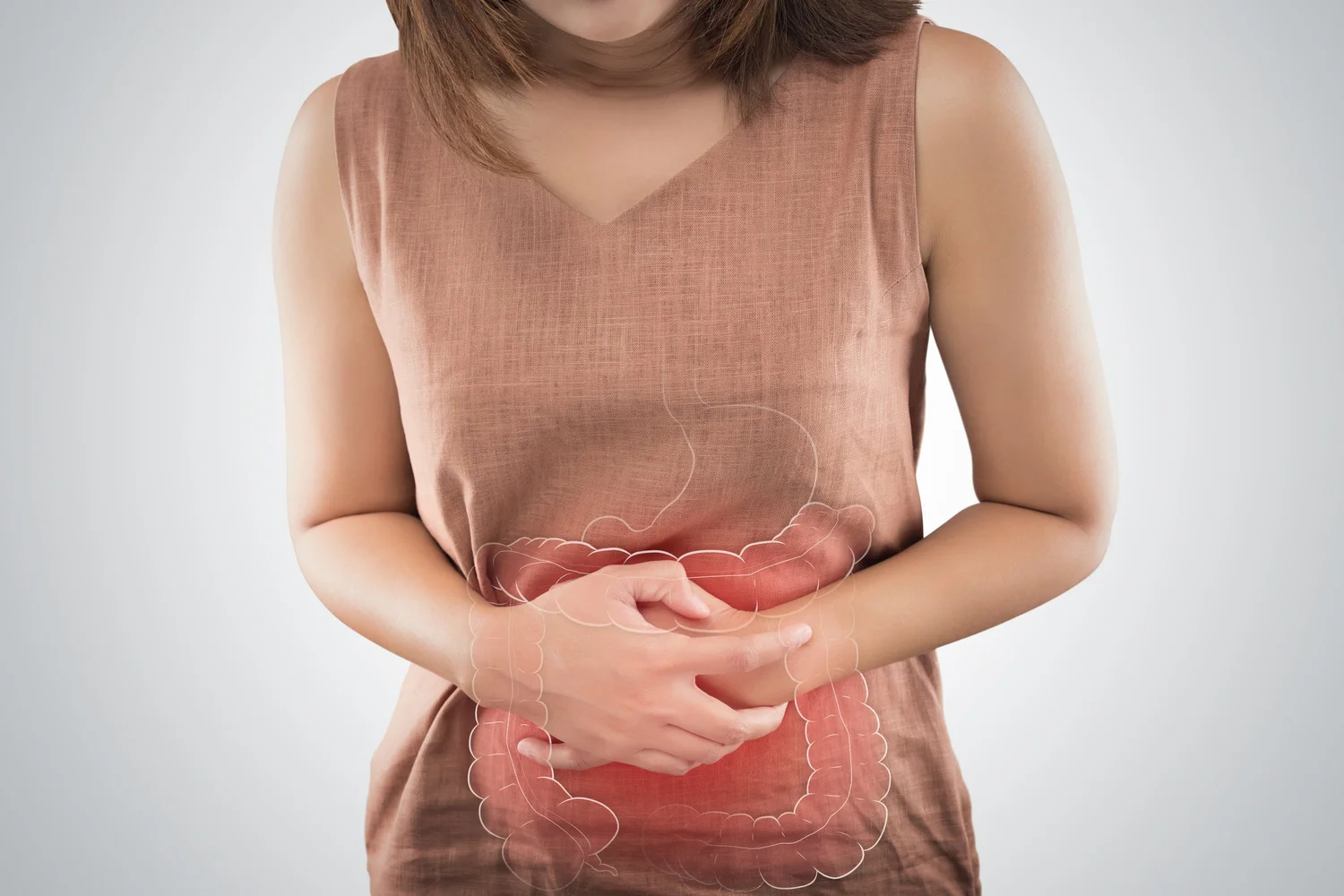
Ulcerative Colitis (UC) is a chronic inflammatory condition causing painful ulcers primarily in the colon and rectum lining, with symptoms including abdominal pain, cramping, diarrhea, and rectal bleeding.
What is Ulcerative Colitis?
Ulcerative Colitis (UC) is a chronic inflammatory condition characterized by the formation of painful ulcers or sores, primarily affecting the lining of the colon and rectum. These ulcers cause irritation and discomfort and can vary in severity depending on the affected area. UC primarily affects the mucosal lining of the intestines but can also have systemic symptoms.
UC presents with a range of symptoms, including abdominal pain, cramping, diarrhea, and rectal bleeding, which may vary based on the extent and location of the inflammation. In some cases, the condition may resolve spontaneously, while others require medical intervention to prevent further complications, such as severe bleeding, infection, or colorectal cancer.
What causes Ulcerative Colitis?
The causes of ulcerative colitis can vary depending on the specific type and location of the condition.
Stomach Ulcerative Colitis (Peptic Ulcers): Most cases are caused by infection from the Helicobacter pylori bacteria. However, chronic use of nonsteroidal anti-inflammatory drugs (NSAIDs) can also damage the stomach lining, leading to ulceration.
Diabetic Foot Ulcers: These occur due to diabetic neuropathy, poor wound healing, or gangrene in severe cases. In extreme situations, diabetic foot ulcers can result in amputation.
Mouth and Genital Ulcers: These are often caused by bacterial or fungal infections.
Zollinger-Ellison Syndrome: This rare condition, responsible for less than 1% of peptic ulcers, leads to excessive acid production, causing ulcers in the stomach and intestines.
Each type of ulcerative colitis has distinct causes, highlighting the importance of targeted treatment based on the underlying issue.
What are the symptoms of Ulcerative Colitis?
The symptoms of Ulcerative Colitis can vary depending on the affected area of the body. Below are common symptoms based on the specific type of ulceration:
1. Peptic Ulcerative Colitis
o Bloating and heartburn
o Nausea and vomiting
o Chest pain, frequent belching
o Unexplained weight loss
2. Arterial Ulcerative Colitis
o Hairless skin with no visible bleeding
o Black, yellow, or red sores on the skin
o Leg pain and reduced circulation, causing cooler temperatures in the affected areas
3. Venous Ulcerative Colitis
o Scabbing and itchy skin
o Swelling and inflammation around the affected area
o Discharge from the wound
Additionally, mouth ulcers may be associated with:
Hormonal changes and vitamin deficiencies
Bacterial or fungal infections
Food allergies and other underlying conditions
How is Ulcerative Colitis treated?
The treatment for Ulcerative Colitis largely depends on the specific area of the gastrointestinal tract that is affected. In cases involving the stomach, oral medications are commonly prescribed, along with dietary modifications.
H2 receptor blockers are often used to prevent ulcers by reducing stomach acid. Additionally, incorporating antacids, adopting a healthy lifestyle, and following a balanced diet can help alleviate symptoms. Foods rich in probiotics, antioxidants, and natural remedies like honey may also support symptom management.
While these treatments can help manage the symptoms and reduce flare-ups, there is still no definitive cure for Ulcerative Colitis. Long-term treatment is often necessary to prevent future relapses.
What Is Stem Cell Therapy?
Stem cell therapy utilizes the body's natural repair mechanism to promote healing and regeneration. Stem cells, which are found in fat cells, bone marrow, and donor cord blood, have the unique ability to activate the growth of new, healthy cells in damaged tissues. In this therapy, mesenchymal stem cells (MSCs) from donor cord blood are applied to the affected area, encouraging the body's repair processes.
By enhancing the body's ability to regenerate tissue, stem cell therapy boosts the natural healing mechanisms, facilitating recovery and introducing new, healthy stem cells to the site of damage.
How can Stem Cell Therapy treat Ulcerative Colitis?
Stem cell therapy for ulcerative colitis (UC) involves the administration of 300 million stem cells via the intravenous (IV) route. This therapy is particularly effective because it offers treatment without significant side effects.
Among the different types of stem cells, mesenchymal stem cells (MSCs) are considered the most suitable option for treating UC. MSCs have the unique ability to target the immune system and release cytokines, which are signaling proteins that help regulate immune responses. By modulating cytokine activity, MSCs can restore normal immune function, which is essential for managing UC.
Due to their immunosuppressive and regenerative properties, MSCs are regarded as a "bio-drug" for the treatment of inflammatory bowel disease (IBD), including UC. They offer several advantages over other types of stem cells, such as hematopoietic stem cells (HSCs), due to their reduced side effects and improved tolerance.
Recent studies have also identified interleukin-35 (IL-35), an immunosuppressive cytokine, as a potential treatment for chronic inflammatory and autoimmune diseases like UC. MSC-based therapies can potentially delay, reverse, or even halt the progression of ulcerative colitis. However, the success of the treatment depends on several factors, including the patient's age, the duration of the disease, and the overall health of the patient.
For patients with Ulcerative Colitis, stem cell therapy offers several benefits, including:
Enhanced tissue healing
Slowed disease progression and a strengthened immune system
Suppression of the mucosal immune response due to MSCs' expression of interleukin-35, leveraging their immunoregulatory and hypoimmunogenic properties
Faster recovery, with potential results seen within six months, compared to years with traditional treatments
Minimal side effects and complications associated with the procedure
How is the treatment at The Renue Medical Centre different?
The Stem Cell Therapy (SCT) at The Renue Centre is a holistic approach to treating Ulcerative Colitis.
Your Treatment Journey for Ulcerative Colitis with stem cells consists of four phases:
Pre-treatment: Physical exam, clinical evaluation, lab test results, and other diagnostic procedures.
o You will take our TruDiagnostics epigenetics test that will assert your biological age and other important health markers. Your TruDiagnostics test is part of The Renue Difference. It provides your doctor with critical information about your health and your true age (biological vs. chronological).
o After the epigenetic test and we have received all your medical records, your Patient Advisor will assist you in planning your travel to Puerto Vallarta.
Treatment day: Treatment days start with the initial check-up of the patient's current health situation, vitals, and other significant tests. The route of administration of stem cell therapy for Ulcerative Colitis can be intra-arterial, intranasal, and intravenous. The dosage of the stem cells also depends upon the severity and type of the disease, which is customizable.
30, 60 & 90 days post-treatment follow-up: To check for flare-up frequency, improvements, pain, and irritation
Six months post-treatment: Lab tests, flare-up frequency, clinical evaluation, mobility, quality of life, and disease prognosis
Expected results: benefits and outcomes
SCT to live a better life: Benefits and outcomes
The effectiveness of Stem Cell Treatment can improve all your symptoms, causing a considerable impact on your quality of life and daily activities.
As part of The Renue Difference, you will receive three Hyperbaric Chamber sessions that greatly improve SCT efficacy and stimulate the body cells to combat Ulcerative Colitis. These sessions comprise four days: one day before treatment, two after treatment, and on the day of treatment.
According to results, clinical outcomes, and pre- and post-treatment observations, SCT has been shown to help
Reduce MS progression
Speed up tissue repair
Regrow and repair tissues after six months
After the SCT procedure, an MRI test depicts the further need for the treatment at a specific body site.
Talk to our Patient Advisor to learn more about SCT at The Renue Centre.
Expected results and prognosis:
Expected result 1: Immediate control of associated symptoms of Ulcerative Colitis post-treatment.
Expected result 2: A significant decrease in the size and number of Ulcerative Colitis, which aids in preventing the chances of amputation (as in diabetic Ulcerative Colitis), higher rates of wounds closing, healing, and epithelialization of the skin surface covering the wound.
Expected result 3: The enhanced quality of life and more life satisfaction.
What are the risk factors of Stem Cell Therapy for Ulcerative Colitis?
Treatments of Ulcerative Colitis can cause high-risk complications and side effects. Stem Cell Therapy is the most dependable procedure for Ulcerative Colitis disease now. Generally, Stem Cell Therapy has a satisfactory safety profile, good prognosis, and effectiveness.
However, no medical procedure is 100% safe; so, the most frequent or common risk factors of SCT can be:
Fever
Allergic reactions
Bleeding from the site of injection
Painful injection area /site
Lethargy and fatigue
Management of risks
Pre-treatment education can help with awareness of slight side effects of the therapy. Allergic reactions are preventable through pre-injection history and care. Bleeding and swelling of the injured site are manageable via proper technique. Fever, lethargy, and pain are managed through the appropriate drugs along with the treatment. In the case of stomach Ulcerative Colitis, damage to the mucosal lining is preventable through SCT, which doesn't require too many medications to damage the stomach lining.
This page is for general information and does not constitute medical advice. All treatment plans at Renue are individualized following a physician review. See Research Articles for supporting literature.
Ask About Ulcerative Colitis
Why Patients Choose Renue
Advanced Cellular Laboratory
On-site cellular manufacturing with rigorous quality control.
World-Class Physicians
Experienced physicians dedicated exclusively to regenerative medicine.
Hyperbaric Oxygen Center
One of the few clinics integrating HBOT into comprehensive protocols.
Personalized Treatment Plans
Every patient receives an individualized treatment strategy based on their condition and goals.
Concierge Medical Experience
Airport transportation, hotel coordination, and dedicated patient support throughout your stay.
Long-Term Follow-Up
Our relationship continues well beyond your visit with structured physician follow-up.
Get started
Book a Consultation
Your journey to a better quality of life starts here. One of our advisors will get back to you shortly.