
Musculoskeletal Disorders
Stem Cell Therapy for Knee Injury / Joint Repair
Knee injuries range from ligament tears (ACL, PCL, MCL, LCL) and meniscus tears to tendon injuries, fractures, dislocations, bursitis, and cartilage damage. Stem Cell Therapy is explored as a regenerative alternative to surgery for many of these conditions.
What is a Knee Injury?
A knee injury refers to any damage that occurs to the structures of the knee joint, which is one of the largest and most complex joints in the body. The knee is made up of bones, cartilage, ligaments, tendons, and muscles, all of which can be affected by injury.
What are common types of knee injuries?
1. Ligament Injuries:
o Anterior Cruciate Ligament (ACL) Tear: A common injury often related to sports, where the ACL, one of the major stabilizing ligaments in the knee, is torn.
o Posterior Cruciate Ligament (PCL) Injury: This occurs less frequently than ACL tears and usually happens due to a direct blow to the front of the knee.
o Medial Collateral Ligament (MCL) Injury: Often caused by a blow to the outer side of the knee, leading to stretching or tearing of the MCL.
o Lateral Collateral Ligament (LCL) Injury: Less common, this occurs when the ligament on the outer side of the knee is damaged.
2. Meniscus Tears: The menisci are two pieces of cartilage that act as shock absorbers between the femur (thigh bone) and tibia (shin bone). A meniscus tear can occur from twisting or turning the knee quickly while the foot is planted.
3. Tendon Injuries:
o Patellar Tendinitis: Inflammation or irritation of the patellar tendon, which connects the kneecap (patella) to the shin bone.
o Quadriceps Tendon Tear: This occurs when the tendon connecting the quadriceps muscles at the front of the thigh to the kneecap is torn.
4. Fractures: A fracture can occur in any of the bones that make up the knee joint, such as the patella, femur, or tibia. Knee fractures are often caused by trauma, like falls or car accidents.
5. Dislocations: A knee dislocation occurs when the bones in the knee are forced out of alignment, usually due to a high-impact injury.
6. Bursitis: Inflammation of the bursa, a small fluid-filled sac that helps reduce friction between tissues in the knee, can cause pain and swelling.
7. Cartilage Injuries: Damage to the articular cartilage, which covers the ends of the bones in the knee joint, can lead to pain and difficulty moving the knee.
Knee injuries can vary in severity, from mild strains and sprains to severe tears or fractures. Treatment depends on the specific injury and may include rest, physical therapy, medications, or surgery.
What are the symptoms of a Knee Injury?
Types of common knee injuries include sprains, strains, bursitis, dislocations, fractures, meniscus tears, and overuse injuries. Knee injuries are generally caused by twisting or bending force applied to the knee, or a direct blow, such as from sports, falls, or accidents. The symptoms and signs of knee injury are related to the type of injury and the part of the knee that was injured.
The main symptoms of Knee Injury are as follows:
Knee pain
Swelling
Heat
Redness
Tenderness
Difficulty bending the knee
Problems weight bearing
Clicking or popping sounds
Locking of the knee
Feeling of instability
Bruising
If the injury is acute, the main symptoms will most likely be knee pain and swelling. If the injury is chronic or from overuse, the symptoms of clicking, popping, and intermittent pain will be more prominent.
How are Knee Injuries treated?
Serious knee injuries often require medical attention.
Knee Immobilization:
Immobilizing the knee helps prevent further damage by restricting movement and stabilizing the joint, especially in cases of torn ligaments. This allows the knee to rest and recover more effectively.
Managing Chronic Knee Injuries:
For chronic knee injuries involving inflammation or bursitis, anti-inflammatory medications are often recommended. In some cases, cortisone injections—a potent anti-inflammatory steroid—can provide significant relief.
When to Consult an Orthopedic Surgeon:
More severe injuries, such as torn ligaments, joint instability, significant swelling, decreased range of motion, or fractures, typically require consultation with an orthopedic surgeon. While awaiting further treatment, initial care may involve RICE therapy (Rest, Ice, Compression, Elevation) and possibly staying off the leg using crutches or a wheelchair.
Surgical Intervention:
Surgery may be necessary for ligament tears, extensive meniscal damage, fractures, or dislocations. Acute injuries resulting from high-force impact or those involving multiple knee structures may require emergency surgery.
Most knee surgeries can be performed arthroscopically. This minimally invasive procedure uses a camera and small instruments inserted through tiny punctures, allowing repairs without large incisions. Arthroscopic surgeries are often delayed to reduce inflammation before proceeding.
Post-Surgery and Non-Surgical Recovery:
Whether surgery is performed or not, physical therapy plays a crucial role in recovery. It helps strengthen and stretch the muscles around the knee and improves leg and knee movement mechanics, reducing the risk of future injuries.
What is Stem Cell Therapy?
Stem cells are a fundamental part of the body's natural repair system. They are found in various sources, including fat cells, bone marrow, and, in the case of Mesenchymal Stem Cells, donor cord blood. When stem cells are applied to a damaged area, they can stimulate the activation and growth of new, healthy cells, promoting the healing process the body needs. Stem Cell Therapy works by enhancing the body's natural repair mechanisms and introducing new stem cells to the affected area, facilitating more effective recovery and regeneration.
How do Stem Cells work on Knee Injuries?
Stem Cell Therapy (SCT) harnesses the body's natural ability to conserve tissues and promote cell regeneration. As we age, the body's regenerative capacity diminishes due to various factors, leading to slower healing, increased injuries, and poorer outcomes in diseases and comorbidities.
SCT offers the body an opportunity to heal itself by utilizing its own reserves. It helps modulate the immune response to injuries, regenerates musculoskeletal tissues, and prevents further tissue damage. Unlike other treatments that primarily address symptoms or physical conditions, Stem Cell Therapy targets the root cause of pain and injury, promoting more effective and lasting recovery.
How does Immune System Respond to Knee Injuries?
The immune system interacts closely with other bodily systems, including the skeletal system, forming a complex and interdependent relationship. Both the immune and skeletal systems share a common origin in hematopoietic precursors, and they exhibit similarities in transcription factors, receptors, and cytokines. These shared elements regulate critical pathways, such as immune system activation and osteoclastogenesis.
Treatment options, including bone-targeted therapies and surgeries, can modulate or stimulate the immune system. This modulation can have either positive or negative effects on the body. In cases of negative modulation, the immune system may mistakenly target the body's own cells, leading to internal damage and excessive tissue destruction. Therefore, it is crucial to carefully consider the interplay between these systems when evaluating treatment options.
How can Stem Cell Therapy treat Knee Injuries?
Mesenchymal Stem Cells (MSCs) are a heterogeneous group of cells with a mesodermal origin, making them versatile and accessible for treating various conditions. Due to their diverse origins, MSCs can be easily harvested and utilized in Stem Cell Therapy. Their immunomodulatory properties play a crucial role in restoring tissue homeostasis.
MSCs possess a unique ability to modulate the immune system, which is particularly valuable in the context of injuries where inflammation can significantly impede cellular regeneration. MSCs help reduce the concentration of inflammatory cytokines such as TNF-α (tumor necrosis factor-alpha) and interleukin 1β (IL-1β), which are released by T-cells. This anti-inflammatory action makes pluripotent Mesenchymal Stem Cells an attractive and reliable option for promoting an anti-inflammatory response.
Clinical research has demonstrated that MSCs can significantly alter the levels of serum and intra-articular cytokines. By reducing these pro-inflammatory agents, MSCs contribute effectively to the treatment of damaged joints and other traumatized body tissues.
MSCs have gained a strong reputation for their effectiveness in treating a range of musculoskeletal conditions, including tendon suture augmentation, osteoarthritis, cartilage defects, bone non-unions, and other musculoskeletal disorders.
Stem Cell Therapy, combined with exosomes, offers a promising approach to treating musculoskeletal disorders. One common consequence of these disorders is cartilage degradation, particularly in conditions like arthritis. Research has shown that silencing miRNA-101 via exosomes can effectively prevent cartilage degradation.
Additionally, MSC-derived exosomes play a crucial role in promoting osteoclast differentiation and the proliferation of bone-forming cells, making them an integral part of MSC-Exosome Therapy. Studies have also demonstrated that exosomes offer protection against acute tubular injuries. These vesicles mediate cellular interactions and stimulate cell proliferation, aiding in the treatment of various diseases and traumas.
Exosomes are particularly significant in the transfer of microRNAs, which influence signal transduction pathways within targeted cells. This mechanism can be harnessed as a microRNA-based cell therapy for managing age-related musculoskeletal diseases and disorders.
How is the treatment at The Renue Medical Centre different?
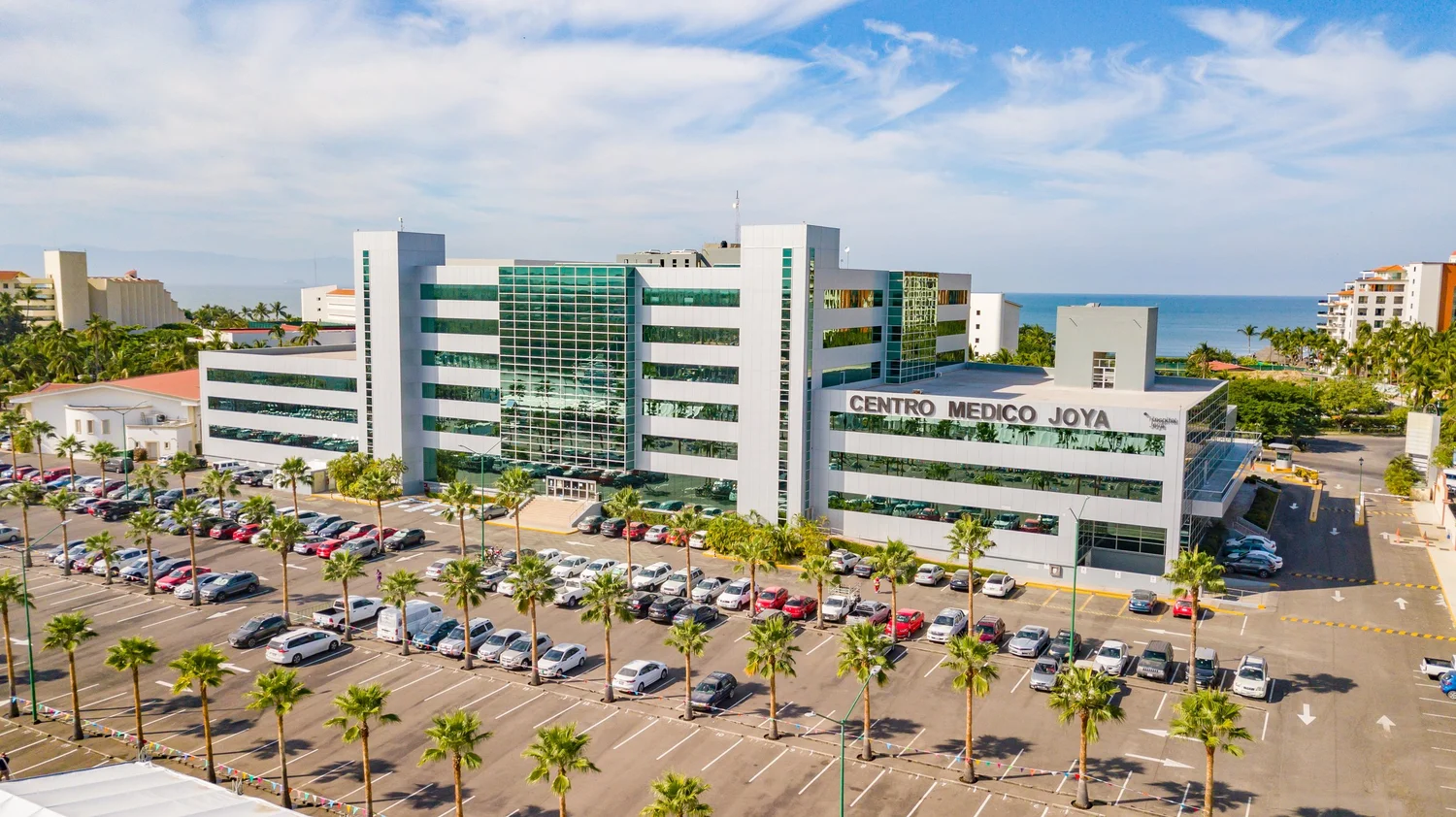
Stem Cell Therapy (SCT) at The Renue Centre is a holistic approach to treating Knee Repair.
Your Renue Journey treatment for Knee Repair with Stem Cells consists of four phases:
Pre-treatment: You will take our Renue Epigenetic Test powered by TruDiagnostics that will assert your biological age and other important health markers. Your TruDiagnostics test is part of The Renue Difference. It provides your doctor with critical information about your health and your true age (biological vs chronological).
After the epigenetic test and we have received all your medical records, your Patient Advisor will assist you in planning your travel to Puerto Vallarta.
Treatment day: On the treatment day, a specific amount of blood is taken through apheresis to activate the stem cells for administration. A total of 25 million umbilical cord Mesenchymal Stem Cells are inserted through the IV route.
30, 60 & 90 days follow-up: To check for flare-up frequency, improvements, pain, and irritation.
Six months after treatment: Lab tests, flare-up frequency, clinical evaluation, mobility, quality of life, and prognosis.
Expected results: benefits and outcomes
SCT to live a better life: Benefits and outcomes
The effectiveness of Stem Cell Treatment can improve all your symptoms, causing a considerable impact on your quality of life and daily activities.
As part of The Renue Difference, you will receive three Hyperbaric Chamber sessions that greatly improve SCT efficacy and stimulate the body cells to treat MSIs in the Knee. These sessions comprise three days: one day before treatment, after treatment, and on the day of treatment.
According to results, clinical outcomes, and pre and post-treatment observations, SCT has been shown to help
Reduce MSIs progression
Speed up tissue repair
Regrow and repair tissues after six months
After the SCT procedure, an MRI test depicts the further need for the treatment at a specific body site.
Talk to our Patient Advisor to learn more about SCT at The Renue Centre.
Expected results and prognosis:
Stem Cell Therapy has a good and effective prognosis for recovery.
Prognosis of Stem Cell Therapy can be divided into three phases:
Prognosis I: Immediate relief from the pain and other associated symptoms as stiffness and crepitus
Prognosis II: After the three months of the treatment, the patient will feel improvement in the range of motion, painless movement, and good balance
Prognosis III: After six months of the treatment, the patient will be independent of climbing, descending stairs, and moving around. In this time, the patient's life quality will be much more enhanced and improved
What are the risk factors of Stem Cell Therapy for Musculoskeletal Injuries and conditions?
Stem Cell Therapy is the safest treatment for Musculoskeletal problems with comparatively less immune reaction or issues.
However, a few mild side-effects are always there as:
Fever
Sudden or acute inflammation due to injection
Increased temperature at the site of treatment
Allergic reactions
Nausea, diarrhea, vomiting, and headaches
Management of risks
Most of the Stem Cell Therapy side effects are manageable through proper care and handling of the patients. In terms of allergic reactions, pre-op history and examination are mandatory. Doctors can prescribe a mild medicine for fever and nausea that won't react with the immune system.
Stem Cells Therapy has a great potential to be more effective for treating Musculoskeletal Injuries than previous methods and carries less risk. SCT has a great potential to emerge as one solution to all human body problems.
All the treatment options for Musculoskeletal Injuries have been temporary options for just treating the symptoms. With the invention of Stem Cells Replacement Therapy, hopes and prognosis of the disease treatment have been raised. It has the potential to be more effective than previous methods and also carries less risk.
This page is for general information and does not constitute medical advice. All treatment plans at Renue are individualized following a physician review. See Research Articles for supporting literature.
Ask About Knee Injury / Joint Repair
Why Patients Choose Renue
Advanced Cellular Laboratory
On-site cellular manufacturing with rigorous quality control.
World-Class Physicians
Experienced physicians dedicated exclusively to regenerative medicine.
Hyperbaric Oxygen Center
One of the few clinics integrating HBOT into comprehensive protocols.
Personalized Treatment Plans
Every patient receives an individualized treatment strategy based on their condition and goals.
Concierge Medical Experience
Airport transportation, hotel coordination, and dedicated patient support throughout your stay.
Long-Term Follow-Up
Our relationship continues well beyond your visit with structured physician follow-up.
Get started
Book a Consultation
Your journey to a better quality of life starts here. One of our advisors will get back to you shortly.